Small-Space Living Tips
Practical lettering advice: choosing pens and nibs, ink basics, brush lettering strokes, practice routines, addressing envelopes, and the tools that make better letters easier. the US. No fluff, just what works.
Selling Your Lettering Work
A realistic path to paid lettering: services vs products, pricing beyond materials, portfolio building, finding first clients, and avoiding underpricing traps.
Hand Lettered Gifts
Turn lettering skill into meaningful gifts: framed quotes, envelope art, lettered mugs and ornaments, sealing and finishing tips, and time-realistic planning.
Composition and Layout Basics for Lettering Pieces
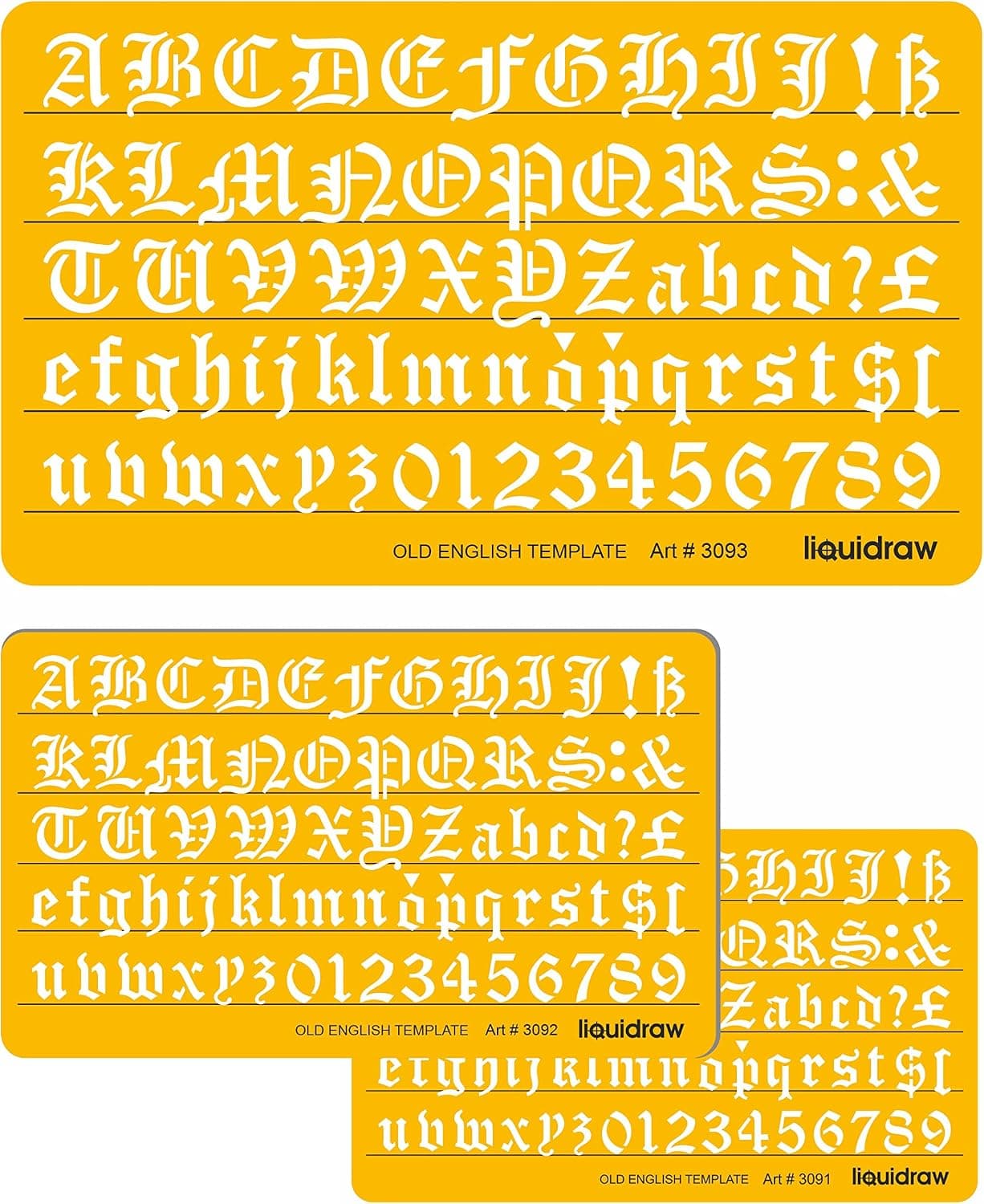
Design lettered quotes that hold together: hierarchy, thumbnail sketching, flourish placement, negative space, and centering methods that actually work.
Bounce Lettering Explained
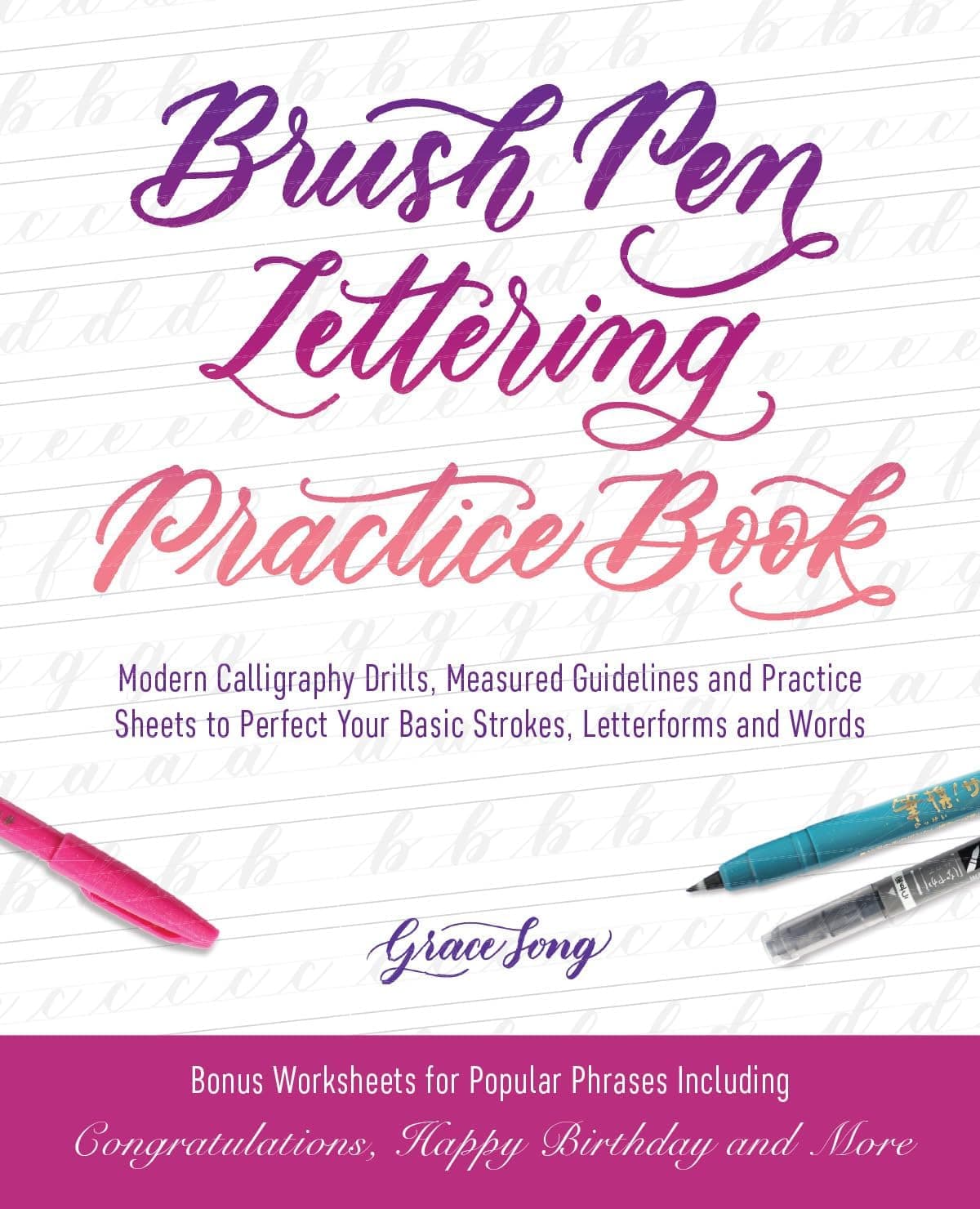
How bounce lettering works: which letters drop below the baseline, keeping bounce readable, drills for rhythm, and fixing bounce that looks accidental.
Caring for Nibs and Pens So They Last
Cleaning, drying, and storage routines for dip nibs and brush pens: rust prevention, ink crust removal, fraying avoidance, and when to retire a worn tool.
Choosing Paper That Won't Bleed, Feather, or Ghost
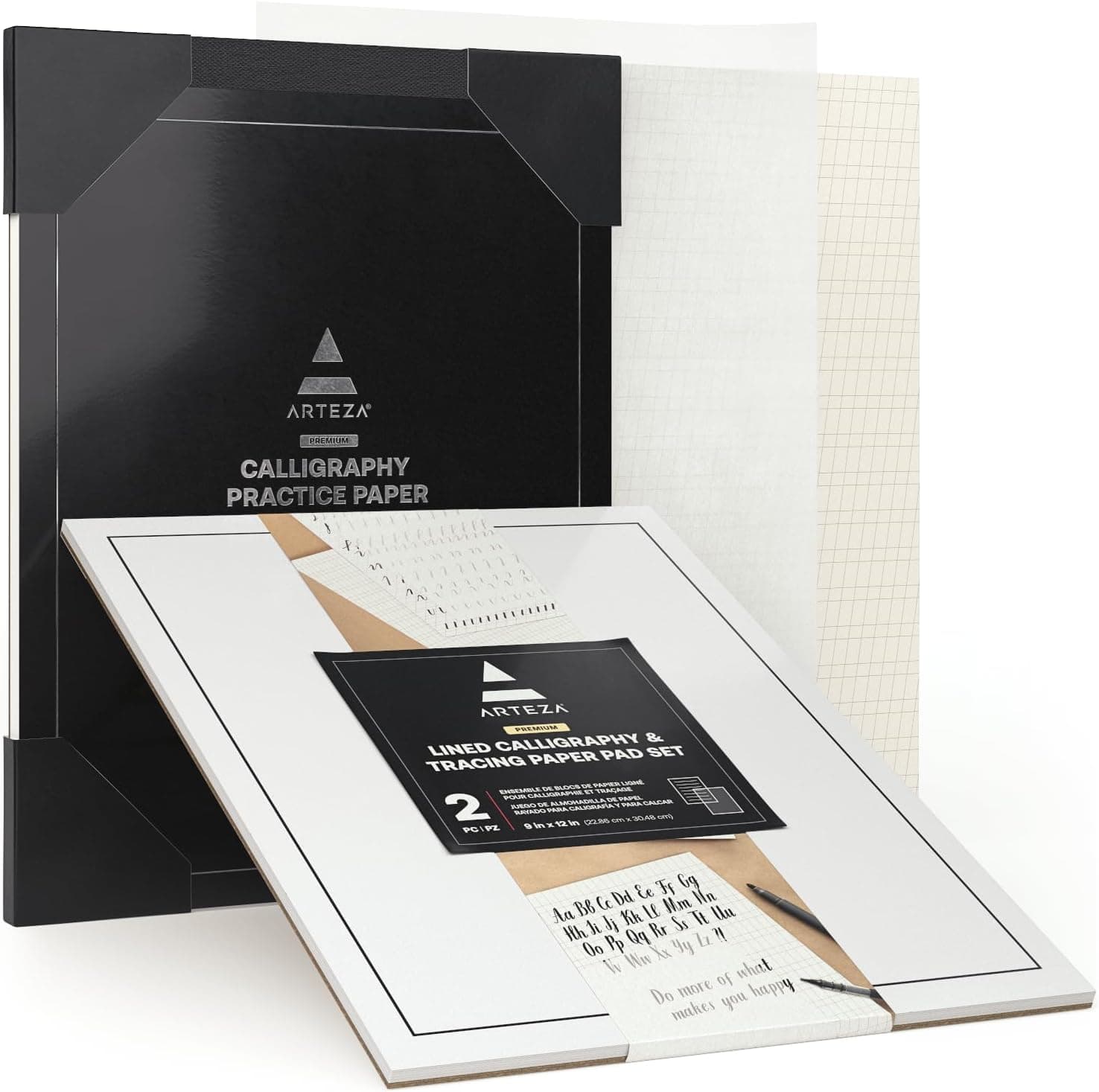
Why calligraphy ink bleeds and feathers, which papers prevent it, and how to test any sheet before you commit, from practice stock to cotton invitation paper.
Lettering Warm Ups
A five-minute warm up routine for calligraphers: arm and wrist prep, ovals, figure eights, pressure ladders, and stroke drills that improve every session.
Building a Daily Lettering Practice You Will Actually Keep
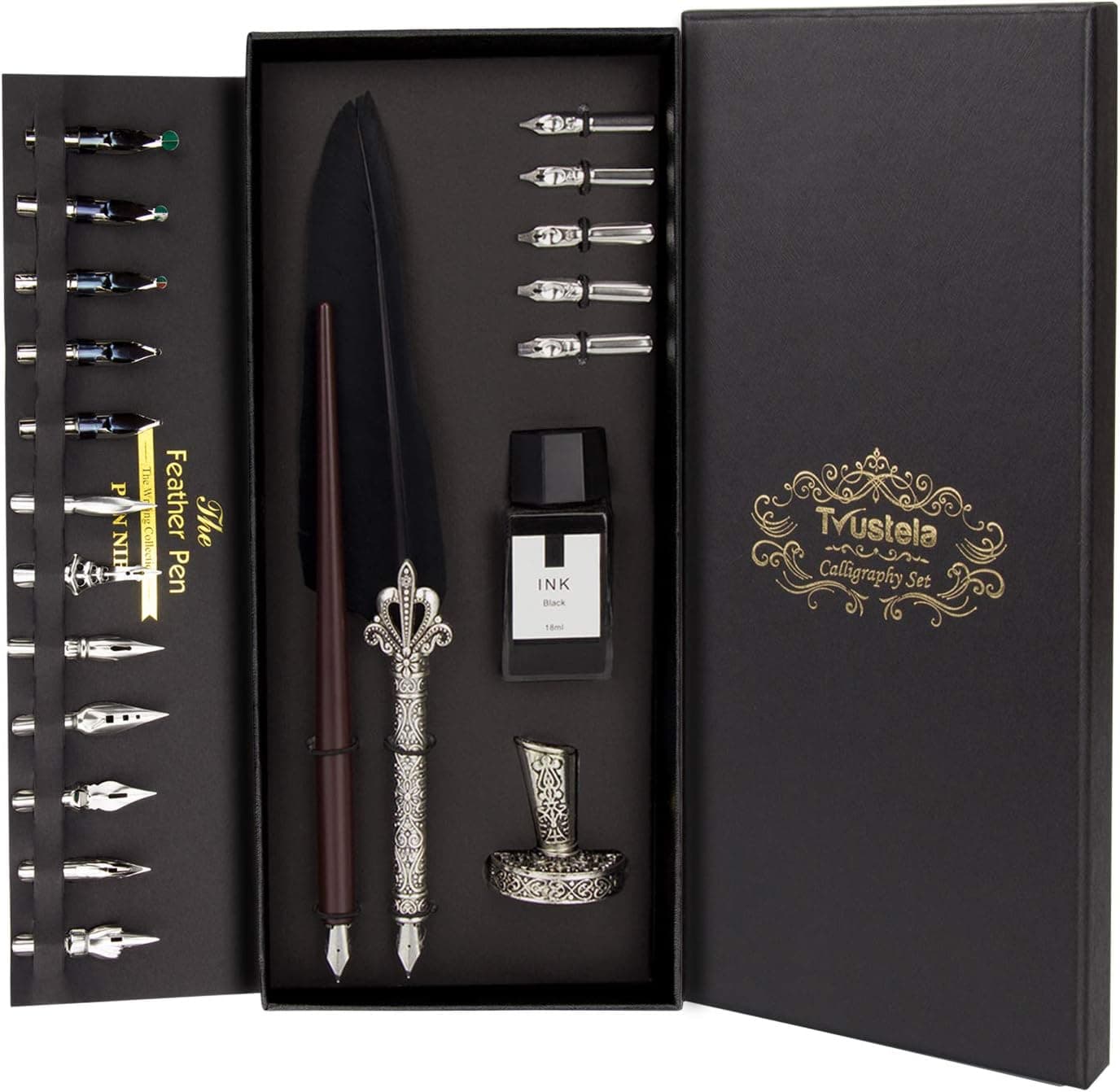
Habit design for calligraphers: tiny minimum sessions, station setup, streak psychology, monthly challenges, and recovering after missed days without quitting.
Common Beginner Calligraphy Mistakes and How to Fix Them
The mistakes that stall most new calligraphers, from writing too fast to skipping drills and bad paper, with the specific correction for each habit.

Blending With Brush Pens
Create smooth color blends with brush pens: tip-to-tip transfer, blender pens, plastic palette tricks, water misting, and picking pens that blend well.
Watercolor Lettering Basics
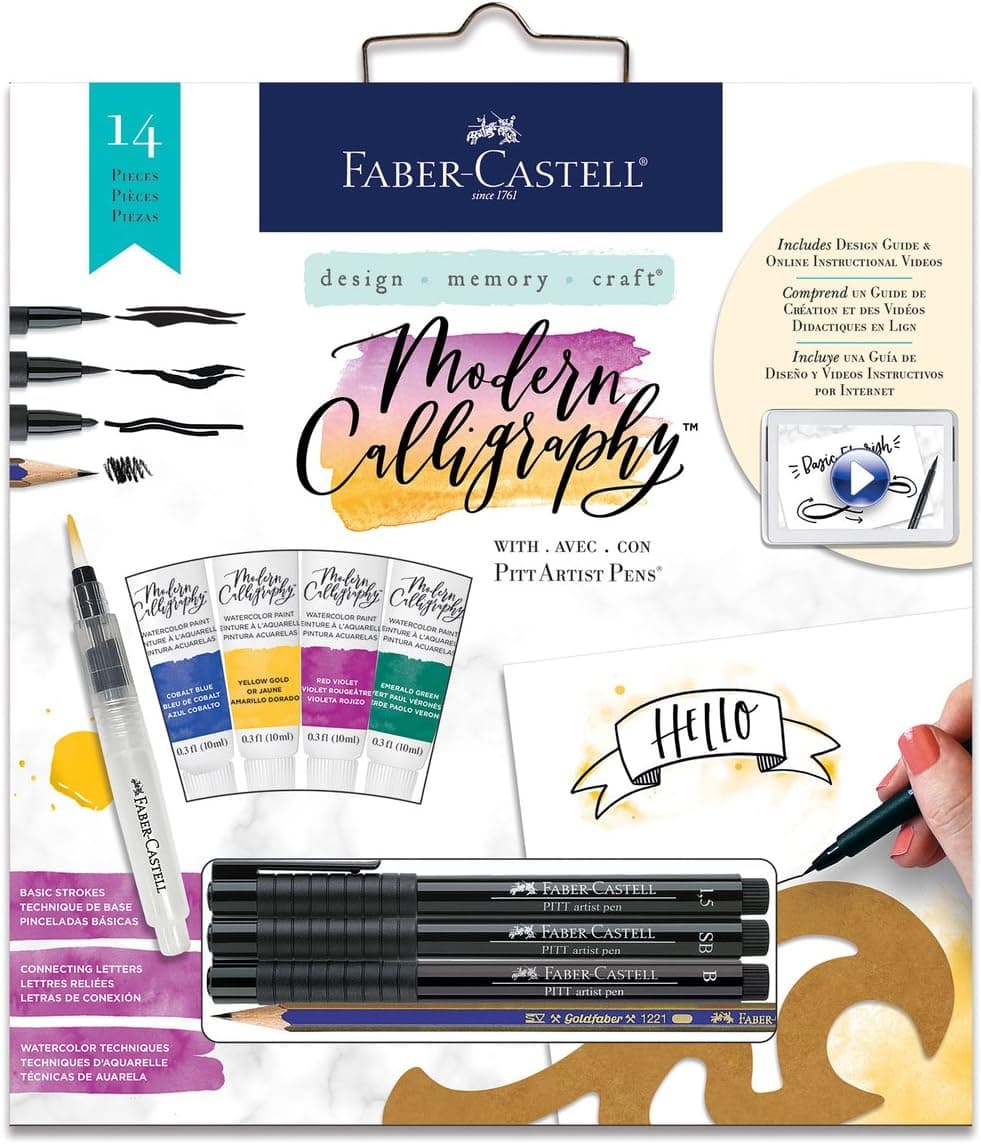
Start watercolor lettering with a round brush or waterbrush: loading paint, controlling water, creating gradients within strokes, and choosing paper.
Chalk Lettering
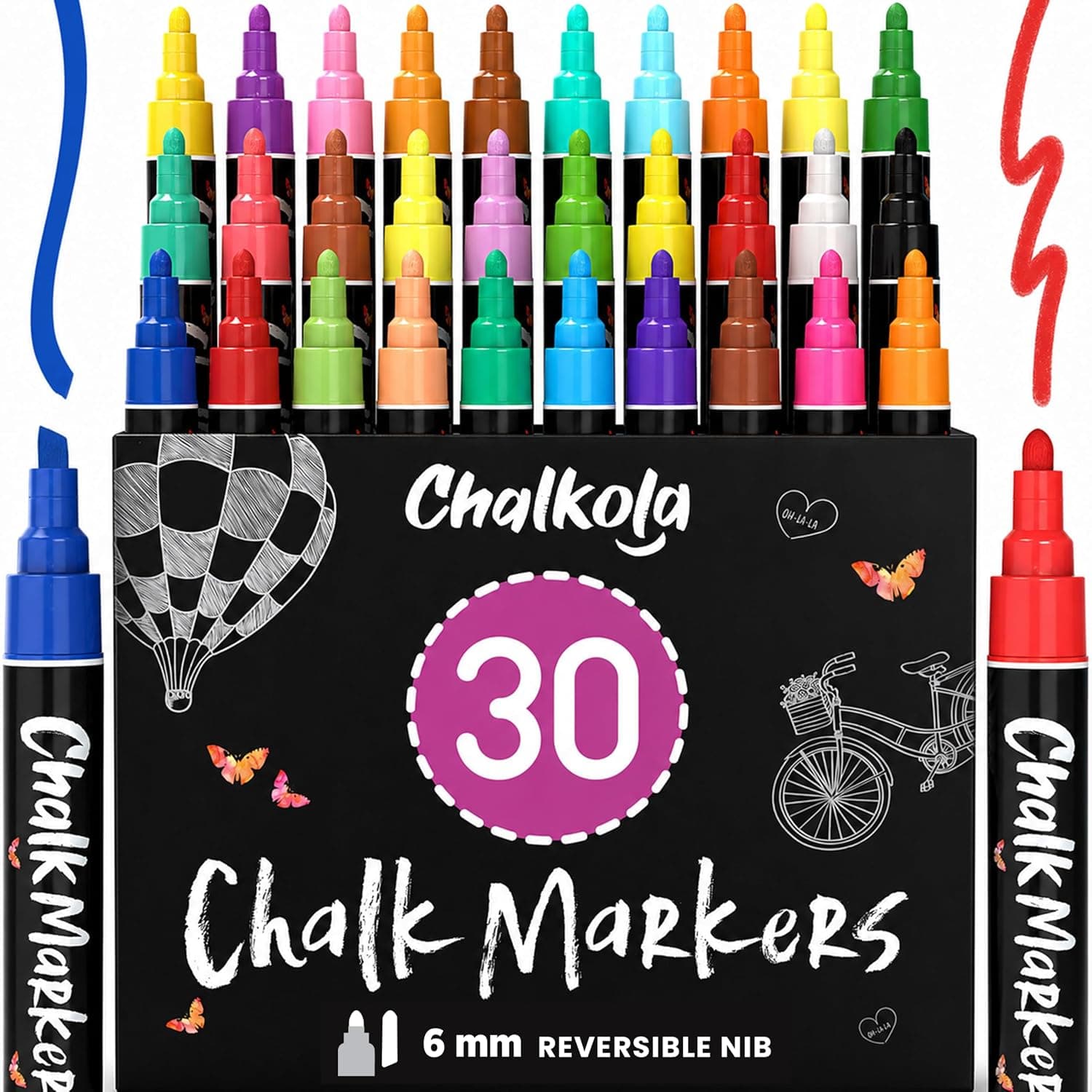
A hands-on chalk lettering guide covering real chalk vs chalk markers, seasoning boards, layout for signs, erasing cleanly, and faux calligraphy at scale.
Digitizing Your Lettering
Turn hand lettering into clean digital art: scanning and photographing originals, vectorizing in free and paid tools, and prepping files for print or web.
Left-Handed Calligraphy
Practical left-handed lettering advice: underwriter and overwriter strategies, paper rotation, smudge control, and tool picks for brush and pointed pen.
Wedding Calligraphy at Home
Plan and letter your own wedding stationery: realistic timelines, which pieces to DIY first, style consistency, and when to outsource instead of hand-letter.
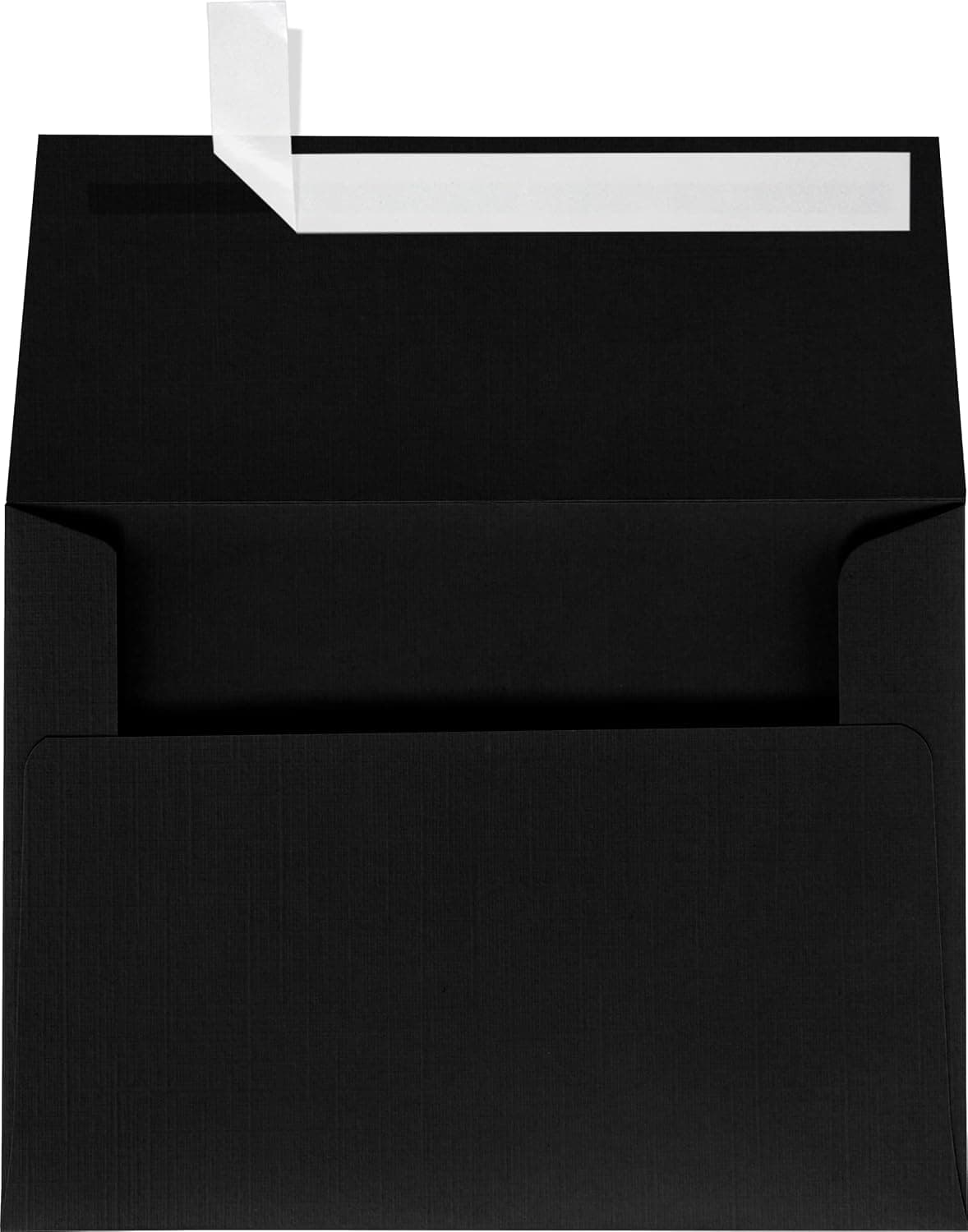
Addressing Envelopes With Calligraphy
Layout, centering, spacing, and postal-friendly tips for calligraphed envelopes, from guideline hacks to ink choices that survive rain and sorting machines.
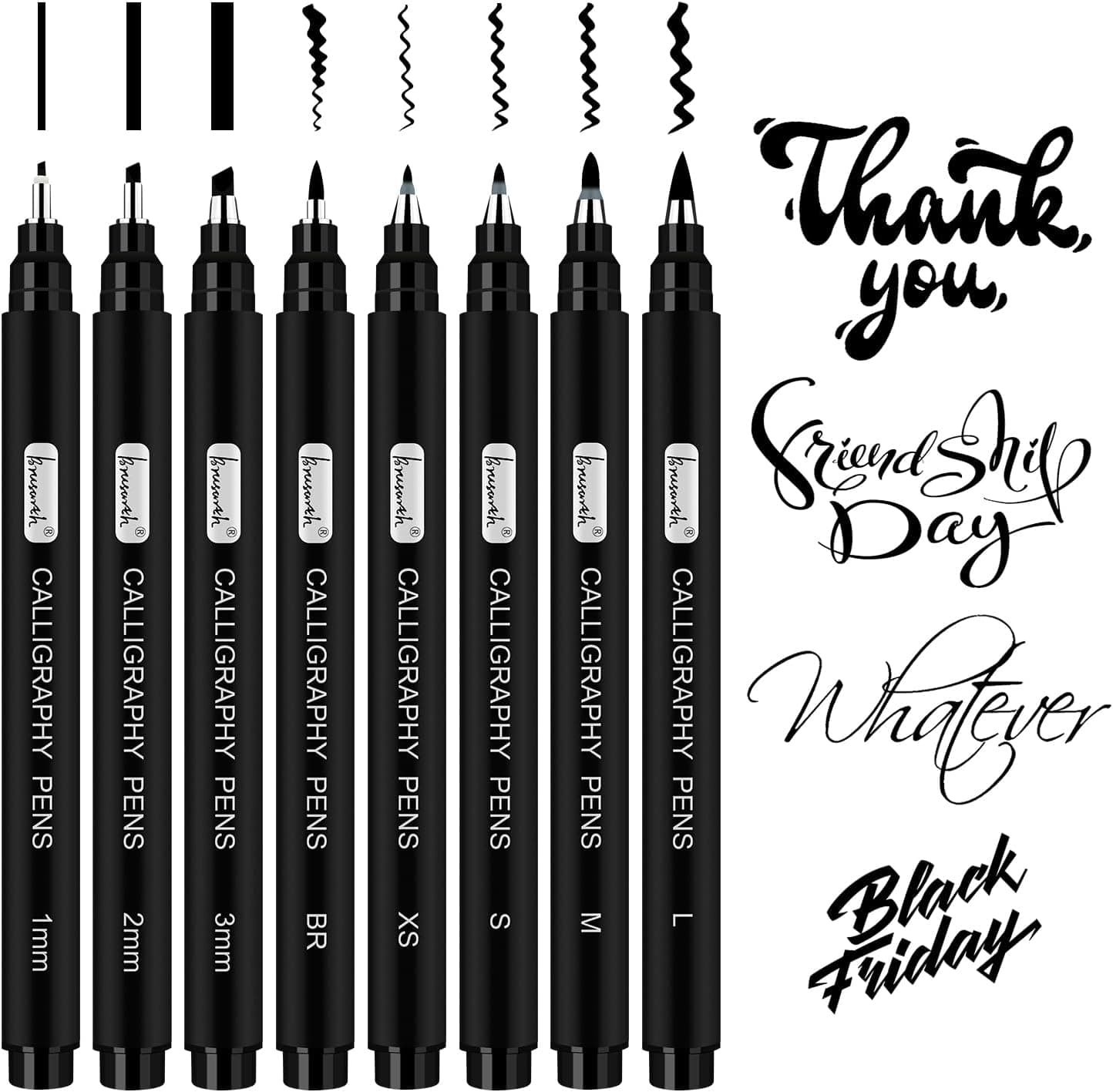
Modern Calligraphy vs Copperplate
Compare modern calligraphy and copperplate script: rules, tools, learning curves, and looks, plus honest guidance on which style fits your goals first.
How to Practice Calligraphy Effectively (Not Just Often)
Deliberate practice for lettering: how to structure sessions, isolate weak strokes, use guidelines, and track progress so hours actually turn into skill.
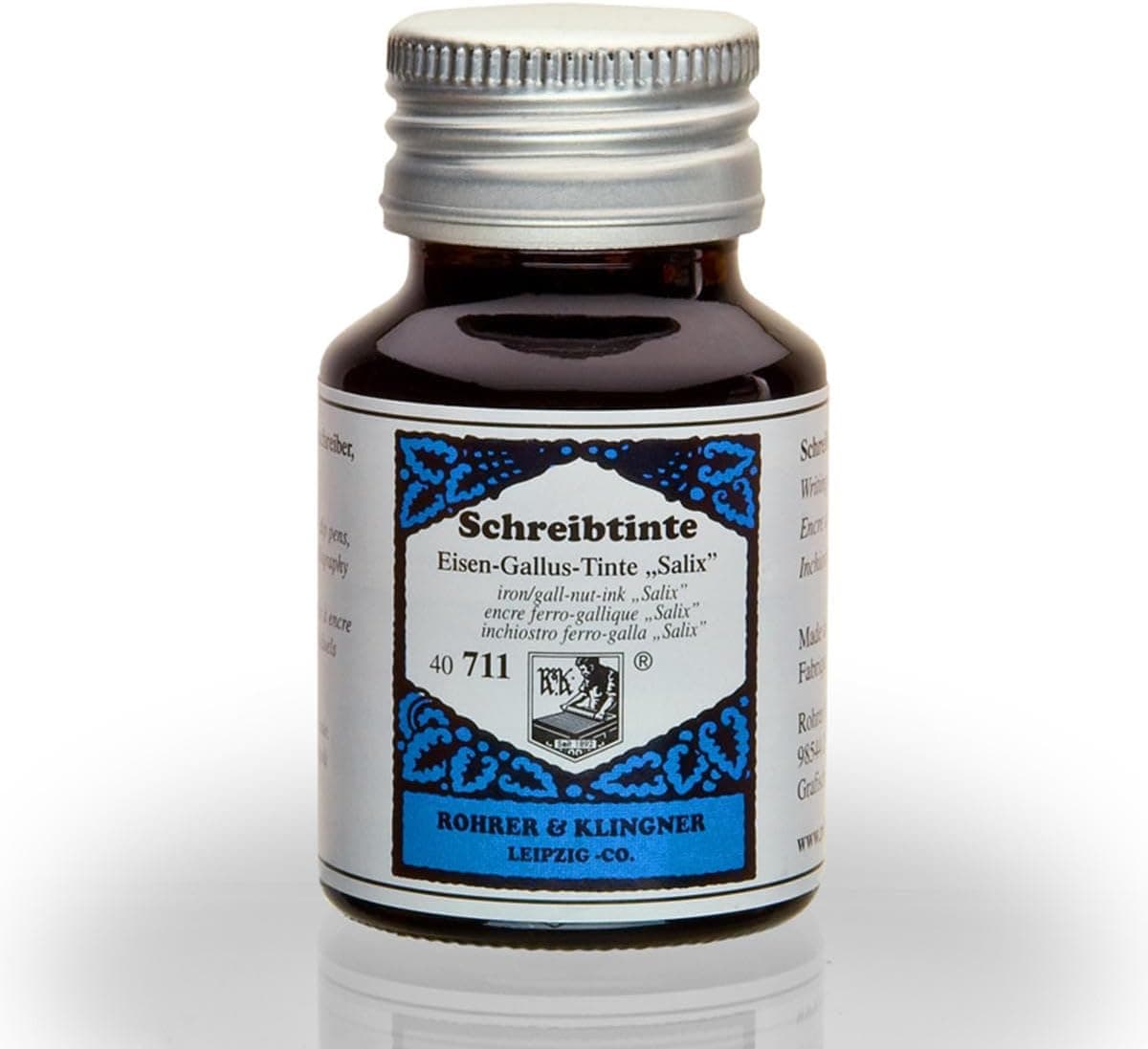
Calligraphy Ink Basics
A beginner's guide to calligraphy inks: sumi, india, iron gall, walnut, acrylic, and metallics, with advice on viscosity, dilution, and safe nib cleaning.
Nib Anatomy Explained
Understand every part of a calligraphy nib: tines, slit, vent hole, shoulders, and body, plus how flex and tip shape determine the line your pen makes.
Choosing Your First Dip Pen
What to look for in a first dip pen: straight vs oblique holders, beginner-friendly nibs, ink and paper pairings, and how to prep a new nib properly.
Faux Calligraphy
Learn faux calligraphy step by step: write in cursive, thicken the downstrokes, and fill them in. No brush pen needed, works on any surface with any pen.
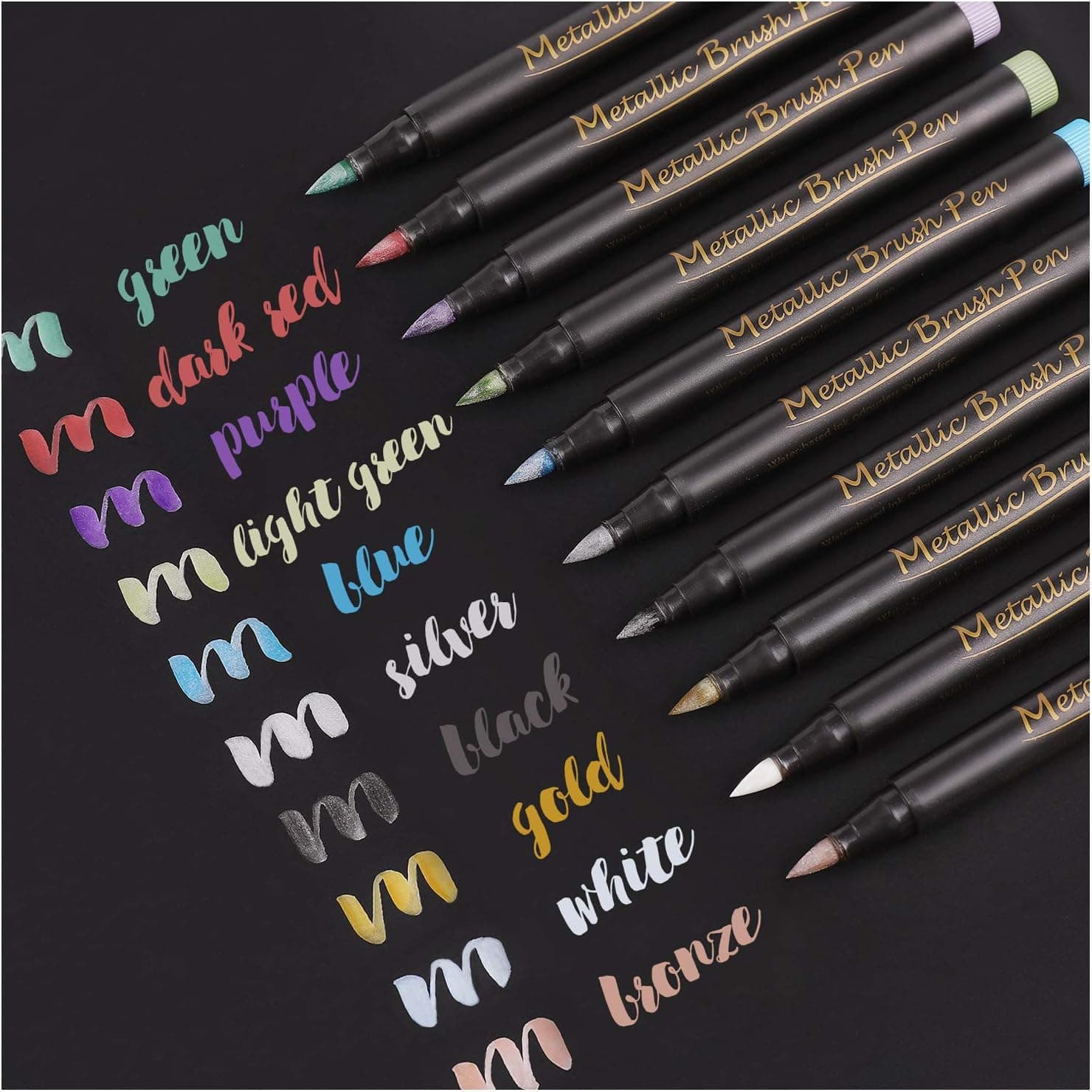
The Eight Basic Strokes of Brush Lettering, Explained
Master the eight foundational strokes that build every brush lettered alphabet, with tips on pressure control, pen angle, and drill routines that stick.
Calligraphy for Beginners
A practical roadmap for starting calligraphy from zero: which style to learn first, what supplies you actually need, and how to structure your first month.