How to Stop Brush Pen Tips From Fraying
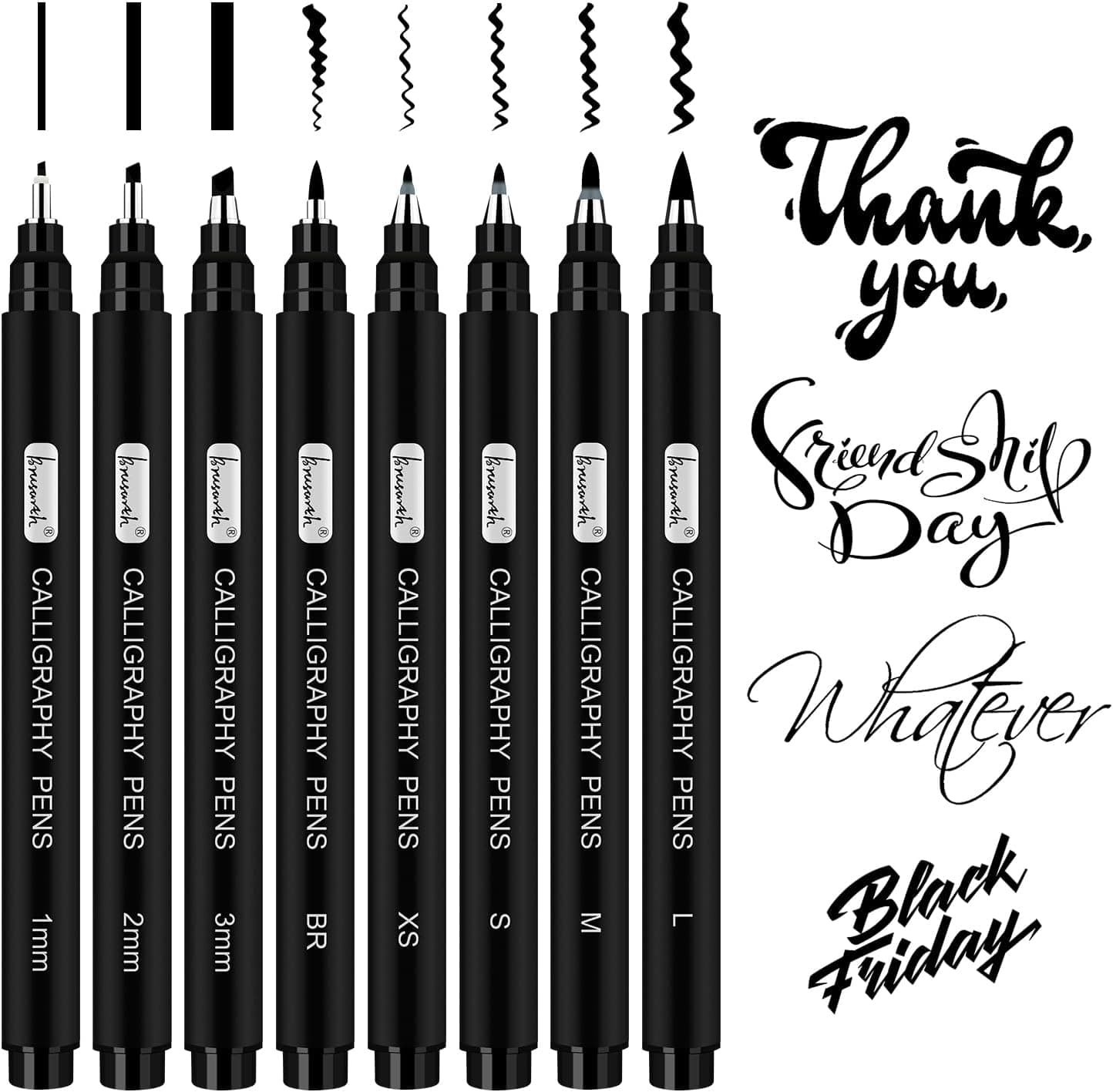
Brush pens are the go-to tool for modern brush lettering, but their felt or fibre tips can fray quickly, leaving fuzzy edges and uneven strokes. A pen that produced crisp thin lines a few weeks ago may suddenly write thick and ragged. Most wear comes from rough paper, pressing too hard and using the tip at the wrong angle. Changing a few habits helps brush pens last much longer.
Use smooth paper
Rough paper acts like sandpaper on felt brush tips. Printer paper, cardstock and textured watercolour paper are common causes of fraying for fibre-tip brush pens.
Use smooth paper designed for markers or brush lettering, such as marker paper or smooth practice pads. Laser printer papers with a smooth finish are an inexpensive option for daily practice. Save textured papers for real brushes and water-based paints that are designed for them.
Lighten your pressure
Pressing hard on downstrokes compresses the tip, and pushing the pen into paper grinds the fibres. Brush pens need only enough pressure to flex the tip.
Practise pressure control with drills such as thin upstrokes and thick downstrokes, focusing on smooth transitions. Large brush pens tolerate more pressure than small, fine-tipped pens.
Hold the pen at a lower angle
Using the very tip of the pen at a steep angle for thick strokes damages it. Lower the pen angle so the side of the tip creates thick strokes rather than forcing the point down.
Keep the tip pointing in the direction of the stroke. Pushing a brush tip against its direction, especially on upstrokes, splits fibres.
Avoid rough techniques
Blending colours directly tip-to-tip, scrubbing to fill large areas and using brush pens on chalkboards or rough surfaces wear tips quickly. Use separate blending tools or a palette for colour blending when possible.
For filling large areas, use a larger marker or brush. Brush pens are designed for strokes, not heavy colouring.
Store pens correctly
Always replace caps firmly to prevent tips drying out, which makes fibres brittle. Many water-based brush pens store best horizontally so ink stays evenly distributed.
Keep pens away from heat and direct sunlight. Dried-out tips fray more easily when pressure is applied.
Repurpose worn pens
Frayed brush pens are still useful for textured effects, bold backgrounds, practice sketches and dry brush styles. Label them as practice pens so they do not get mixed with fresh pens.
Some brush pens have replaceable tips or refills, which reduces waste and cost. Consider these models if you letter daily.