The Ultimate Guide to Modern Calligraphy & Hand Lettering for Beginners (June & Lucy) Review (2026)
Updated September 21, 2026 · Research-based review
Our verdict
Best for absolute beginners who want one friendly guide covering both modern calligraphy and hand lettering rather than two books. The main strength is a beginner-first structure that starts with pen grip and posture. The trade-off is that covering both styles in 108 pages leaves less depth than a book on a single technique.
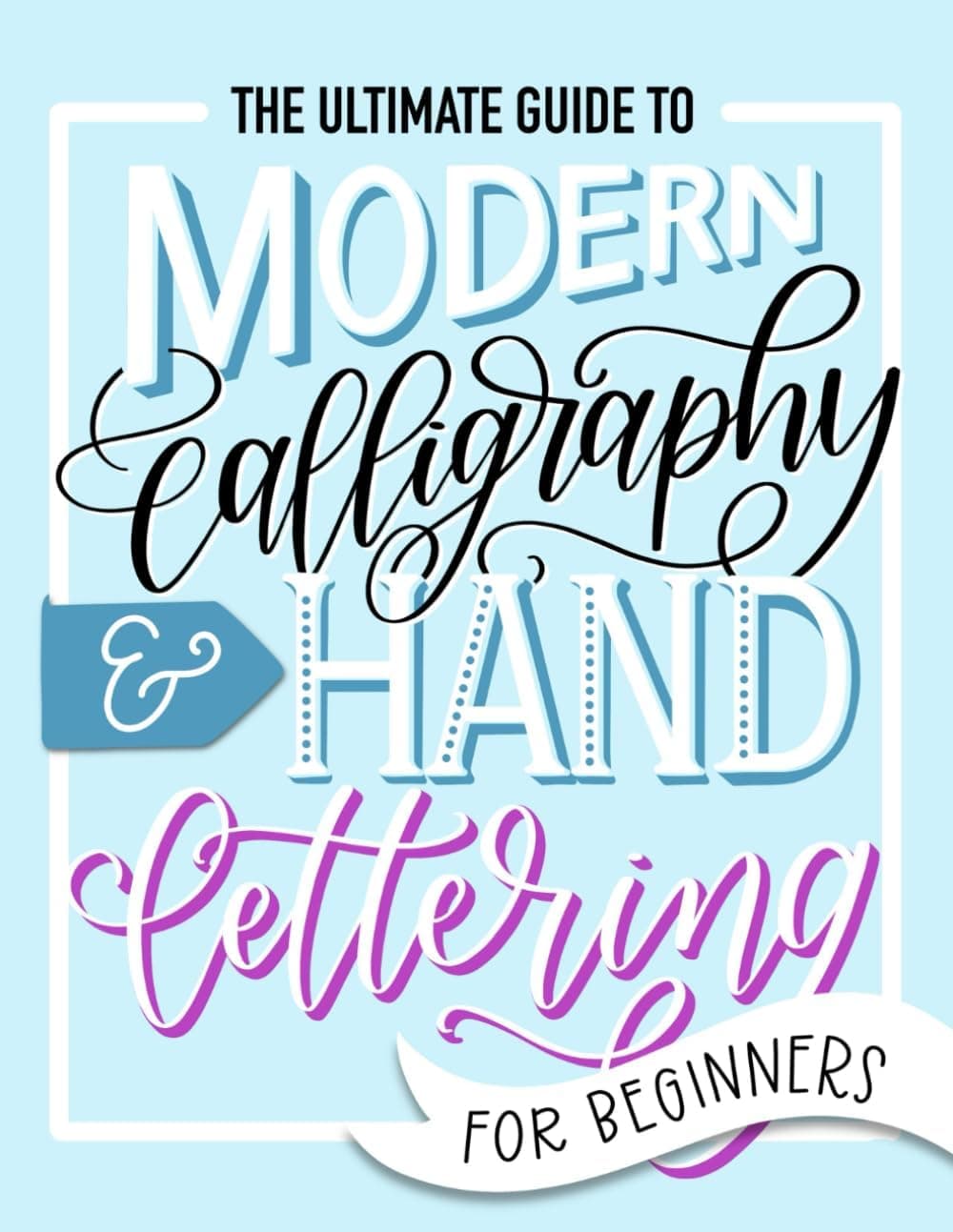
June & Lucy's Ultimate Guide to Modern Calligraphy & Hand Lettering for Beginners, a friendly all-in-one learning book.
Price range: See on Amazon
What we liked
- + Covers both modern calligraphy and hand lettering in one guide
- + Beginner friendly explanations make first steps less intimidating
- + June & Lucy style links nicely with their practice pads and kits
Trade-offs
- - Broad scope means each style gets less depth than a dedicated book
- - Practice space is limited, so extra paper is necessary
What the book covers
The Ultimate Guide to Modern Calligraphy & Hand Lettering for Beginners is a 108-page paperback by June & Lucy, published in 2019 and sized at 8 by 10 inches, large enough for lessons and practice space to sit comfortably on the same page. The book opens with fundamentals most technique-specific books skip, including how to hold a pen and proper posture, before moving into the mechanics of modern lettering adapted from traditional calligraphy. From there it covers a basic brush alphabet in both uppercase and lowercase, a monoline script alphabet, faux calligraphy technique, and additional serif styles, giving readers exposure to several distinct approaches within one volume rather than mastering just one.
Breadth versus depth
Covering modern calligraphy, brush alphabets, monoline script, faux calligraphy, and serif styles within 108 pages necessarily means each individual style gets less page space than it would in a book built around a single technique. Readers who already know they want to specialize in one specific style, such as pointed pen calligraphy or a particular brush lettering approach, may find a dedicated book on that single topic goes further into nuance and variation. The tradeoff works in the other direction for true beginners who are not yet sure which style appeals to them, since this book offers a sampler of several approaches before committing time and money to deeper study of just one.
Practice space and projects
Beyond the alphabet lessons, the book includes complete projects with step-by-step instructions meant to take a reader from individual letterforms to a finished lettered piece, which helps bridge the gap between practicing letters in isolation and actually using them on a card, sign, or gift. The large 8 by 10 inch format leaves room for practice directly on the page, though as with most instructional workbooks that combine teaching and drilling on the same pages, dedicated practice paper is still useful once a reader wants to repeat a letterform many more times than the book's own space allows.
Author background and approach
June & Lucy's approach is framed around helping readers skip months of trial and error the author went through when self-teaching lettering, favoring straightforward explanations over a purely artistic or inspirational format. That practical framing shows in the sequencing, starting with grip and posture rather than jumping straight into decorative alphabets, which suits readers who have never picked up a brush pen or calligraphy marker before. The brand also sells its own hand lettering pens and related supplies separately, which the book references as complementary tools, though the lessons themselves do not require any specific brand of pen to follow.
Who this book suits
This guide is best suited to someone starting from zero who wants one resource that introduces several lettering styles rather than diving deep into a single one. It works well as a first purchase before deciding which specific style to pursue further. Readers who already have some lettering experience and want to refine one particular technique, such as pointed pen calligraphy or a specific brush script, will likely outgrow this book's beginner pacing quickly and should look toward a style-specific title instead. Pairing the book with a separate pad of practice paper extends its usefulness once the printed practice space runs out.
Frequently asked questions
Does this book cover both calligraphy and hand lettering?
Yes, it covers modern calligraphy fundamentals along with brush alphabets, monoline script, faux calligraphy, and serif lettering styles in one book.
Is this book suitable for someone who has never lettered before?
Yes, it starts with basics like pen grip and posture before moving into alphabets, which suits complete beginners.
How many pages does the book have?
It is 108 pages, sized at 8 by 10 inches.
Do I need a specific brand of pen to follow the lessons?
No, the lessons do not require a specific pen brand, though the publisher does sell its own lettering pens as a complementary option.
Prices change often, so check the current price and availability on Amazon.
Check price on AmazonCalligraphy Nest may earn a commission from the link above.