Moon Palace Sumi Ink 180ml (Kaimei, Made in Japan) Review (2026)
Updated September 14, 2026 · Research-based review
Our verdict
Moon Palace is a well regarded Japanese sumi ink that flows smoothly from pointed nibs and gives crisp, dark hairlines, and the 180ml bottle offers a lot of ink for the price. It can thicken over time and the bottle itself is awkward for direct dipping, so decanting a small amount is the practical way to use it.
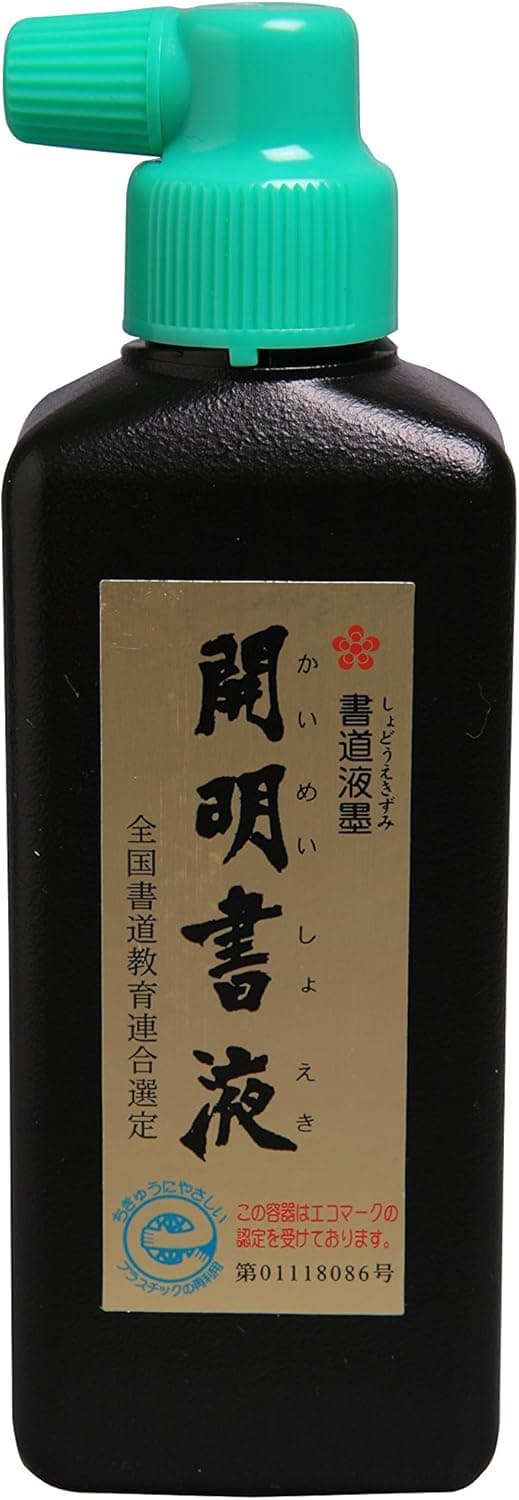
Moon Palace Kaimei sumi ink in a 180ml bottle, made in Japan and popular with both shodo and pointed pen calligraphers.
Price range: $ (Budget)
What we liked
- + Smooth, dark sumi flows beautifully from pointed nibs for crisp hairlines
- + Big 180ml bottle gives lots of ink for the price of a premium brand
- + Made in Japan by Kaimei, a long-established ink maker
Trade-offs
- - Sumi can thicken over time, so it may need a few drops of water to thin
- - Large bottle is awkward for dipping, so decant into a small well
Who this ink suits
Moon Palace sumi ink, made by the Japanese ink maker Kaimei, is popular with both traditional shodo brush calligraphers and modern pointed pen letterers, which says a lot about how versatile and smooth it is across writing tools. For pointed pen work in particular, it is valued for flowing well through fine nibs and drying to a rich, dark black with a slight sheen rather than a flat matte finish. It suits letterers who want a dependable everyday ink for practice and finished pieces without paying premium prices for a specialty dip pen ink, and it also works for anyone doing ink and brush artwork who wants a traditional sumi feel.
What is in the bottle
This listing is a 180ml bottle, a notably large volume compared with the smaller 30 to 60ml bottles common among dedicated calligraphy ink brands, which is a major part of its value proposition. The bottle is designed with a pour spout suited to refilling a smaller ink well rather than dipping a nib directly into the main bottle. Sumi ink like this is a carbon based black ink, traditionally made for East Asian brush calligraphy and ink painting, and Kaimei has been producing it for shodo and art use for decades, which is part of why it carries a strong reputation among calligraphers who use it for pointed pen work outside its original tradition.
Using it day to day
Because the bottle is large, most pointed pen letterers pour a small amount into a dedicated ink well or dish for dipping rather than working from the main bottle, which keeps the nib from disturbing sediment and makes cleanup easier. Sumi ink can thicken slightly as it sits, especially once opened and exposed to air repeatedly, so many users keep a small dropper of water on hand to thin it back to a smooth, flowing consistency before a session. The dark, saturated black is well suited to fine hairline strokes on white or cream paper, and because it dries with a slight sheen, it also photographs well for finished lettering pieces shared online.
Trade-offs and how it compares
The two practical downsides are thickening over time, which means occasional thinning with water to keep flow smooth, and the bottle size itself, since 180ml in one container is not designed for direct dipping and works best decanted into a smaller vessel. Compared with other sumi inks in the same guide, such as Yasutomo Bokuju or Kuretake Sumi ink, Moon Palace scores well specifically for flow and hairline quality with pointed nibs, a use case it was not originally designed for but performs well in. Against dedicated pointed pen inks, it remains a budget-friendly alternative that many experienced letterers still prefer for its consistency.
Who should pick something else
Letterers who want a small, ready-to-dip bottle without decanting, or who never plan to use more than a bottle or two of ink, may prefer a smaller dedicated calligraphy ink instead of committing to 180ml at once. For anyone doing regular practice or production work in pointed pen or brush calligraphy, though, the large bottle and smooth performance make it one of the better value options in the sumi ink category, and the leftover ink rarely goes to waste once a small decanting bottle becomes part of the regular writing setup.
Frequently asked questions
Is Moon Palace sumi ink good for pointed pen calligraphy?
Yes, it is popular with pointed pen letterers as well as traditional brush calligraphers because it flows smoothly and produces crisp, dark hairlines.
Do I need to dilute this ink?
Sumi ink can thicken over time, especially after being opened repeatedly, so adding a few drops of water to restore a smooth flowing consistency is common practice.
Can I dip a nib directly into the 180ml bottle?
It is possible but awkward given the bottle size and pour spout design, so most letterers decant a small amount into a separate ink well for dipping.
Where is this ink made?
It is made in Japan by Kaimei, a long-established maker of sumi ink for calligraphy and art use.
Prices change often, so check the current price and availability on Amazon.
Check price on AmazonCalligraphy Nest may earn a commission from the link above.